Museum-grade reproductions of the alchemical page
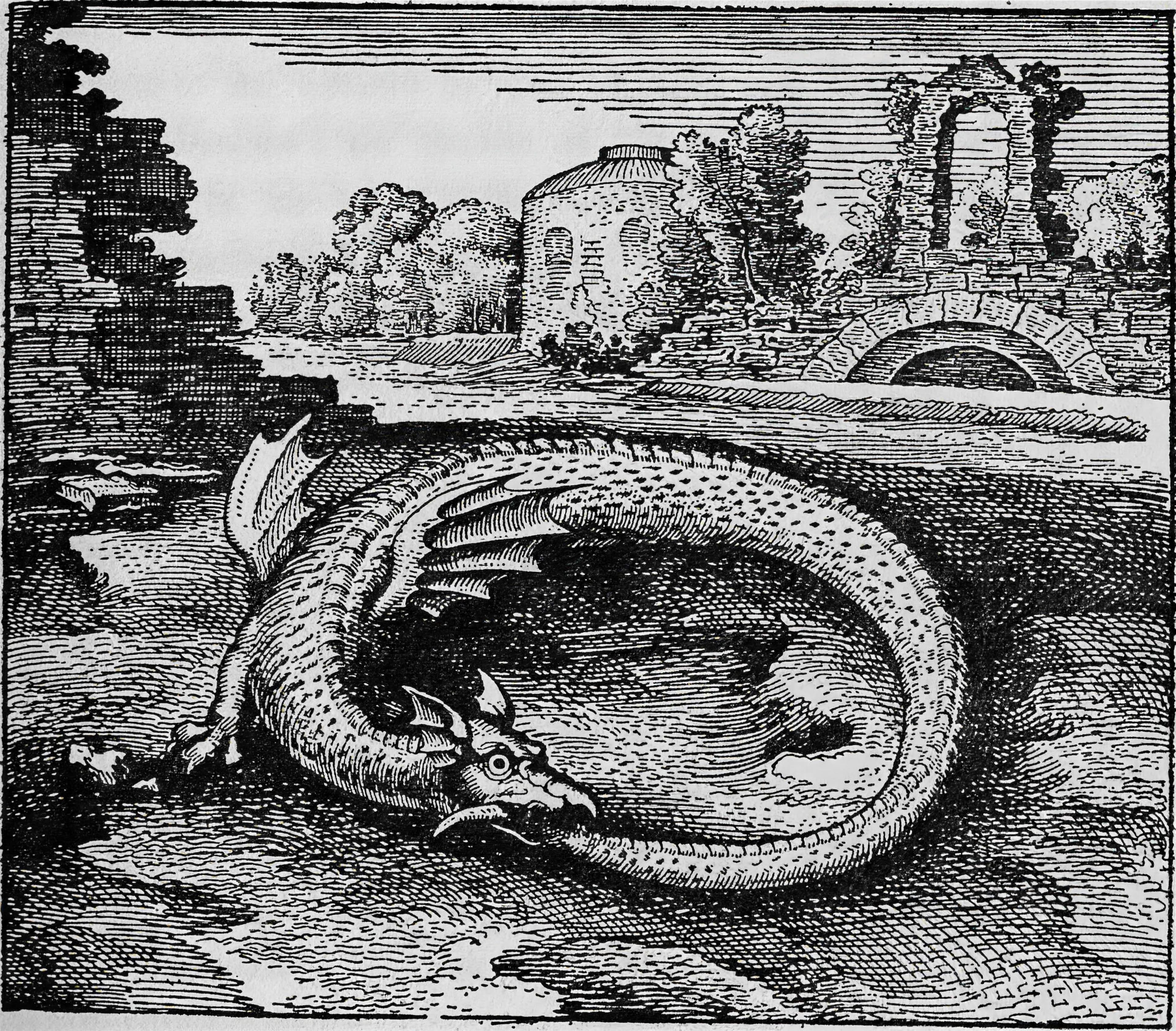
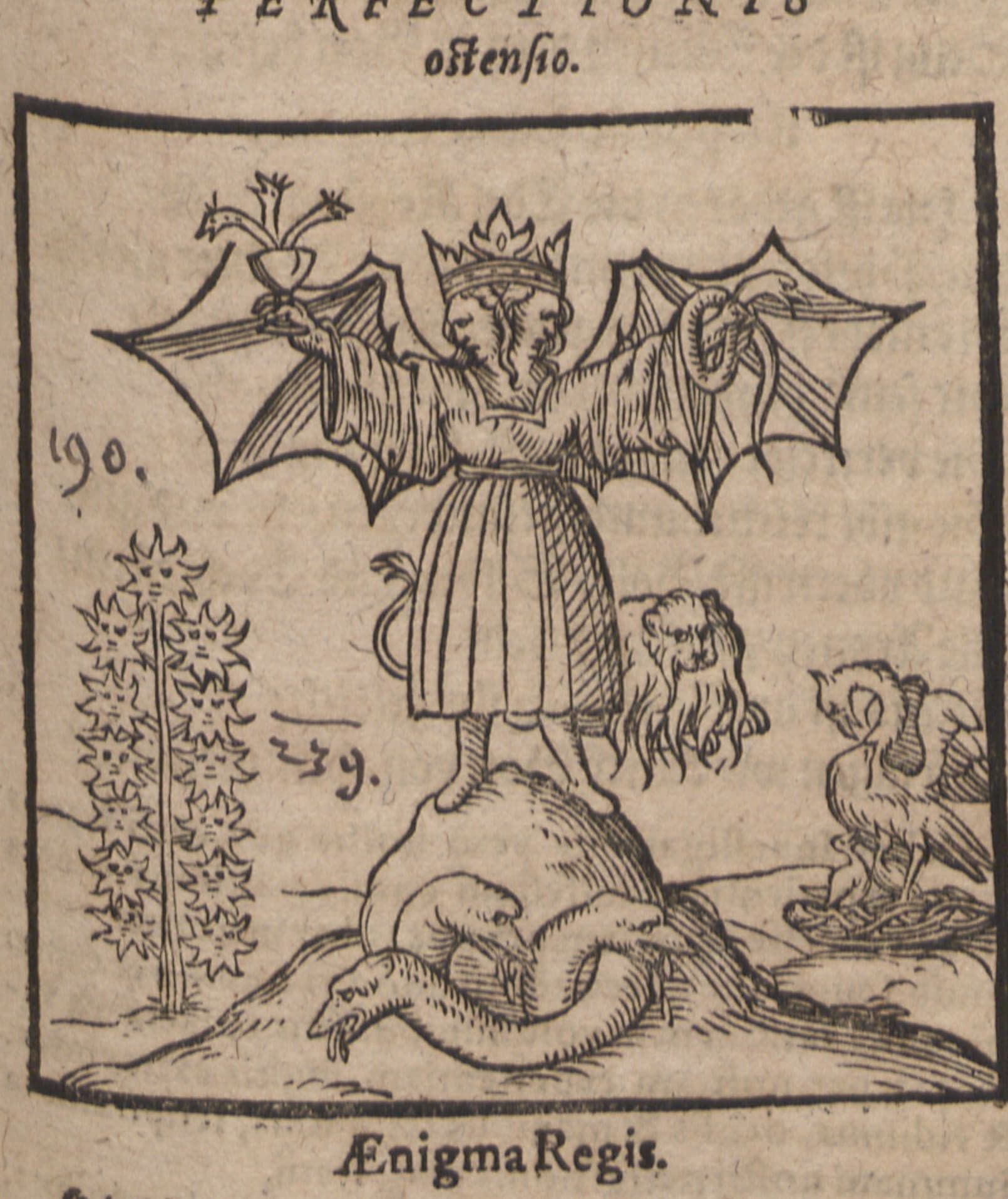
Splendor Solis, Michael Maier’s Atalanta Fugiens, the Rosarium Philosophorum, and the Ripley Scroll — gold leaf, black-ink woodcut, and the margins where the alchemist’s imagination ran loose. Faithfully reproduced, archivally printed, and named to their source.
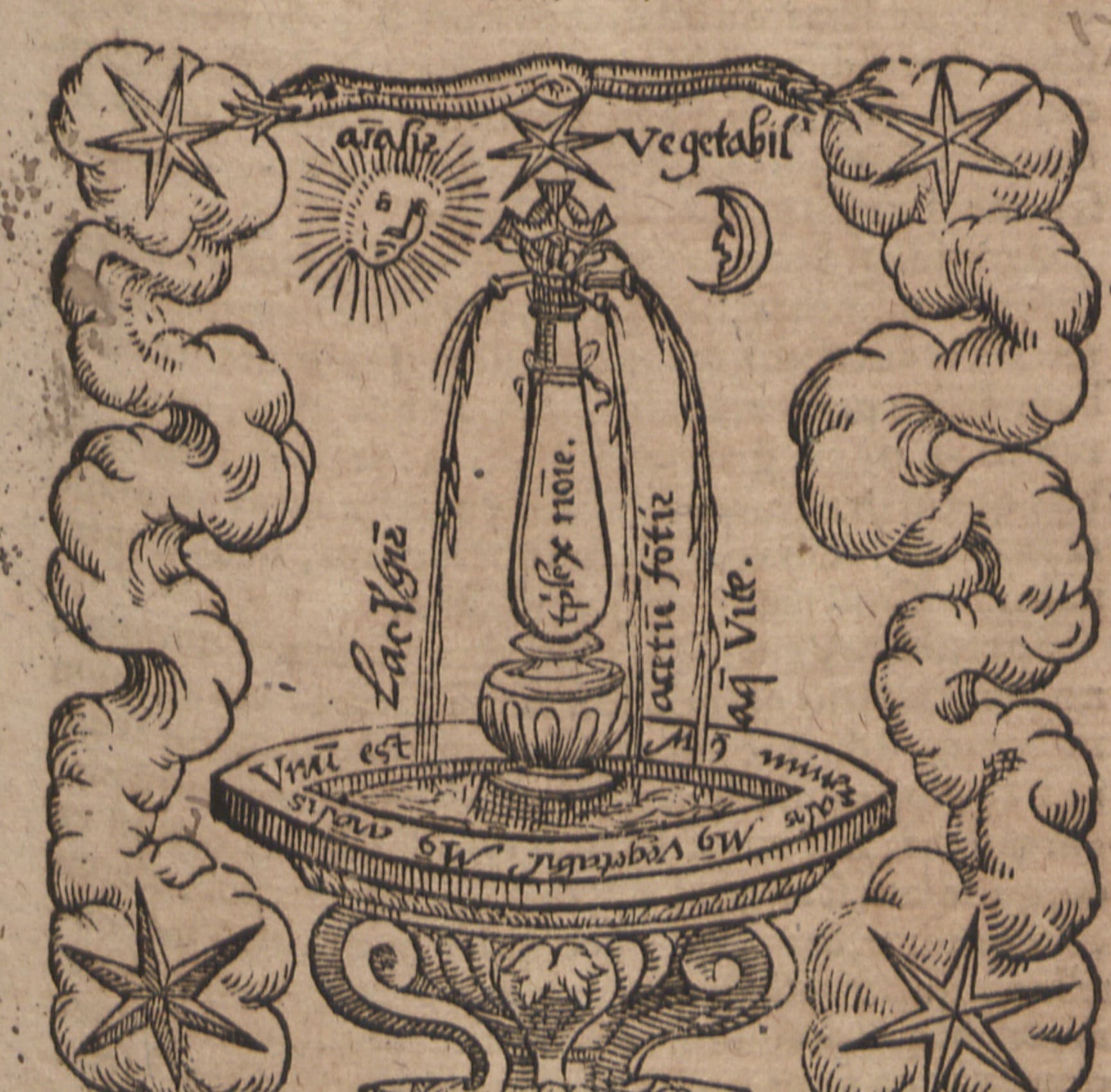
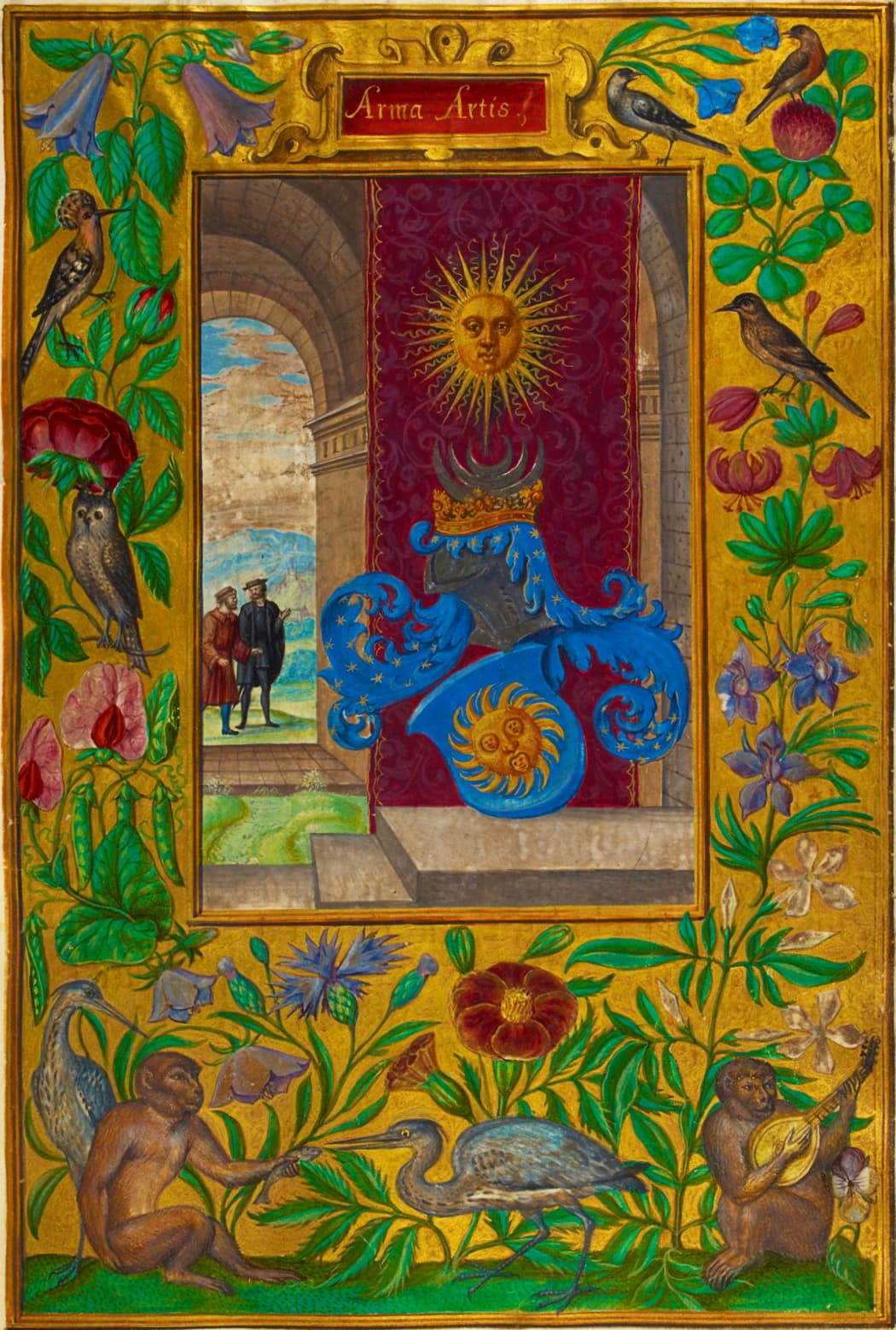
Above: Arma Artis — The Arms of the Art · British Library (Harley MS 3469, f.2)

The promise
An anonymous illuminator working in Salomon Trismosin’s tradition, Michael Maier setting fifty emblems to a three-voice fugue, an anonymous hand cutting the Rosarium’s woodcuts for a Frankfurt printer — each left a page that has outlived every empire since. We reproduce it exactly: same color, same detail, same gold-lit or ink-black conviction, printed to last another century on your own wall.
Four traditions
An illuminator, a composer of emblems, an anonymous Frankfurt engraver, a scribe of diagrams — four very different acts of devotion to the same pursuit.

Germany, 1582 copy (text tradition c. 1532–1535)
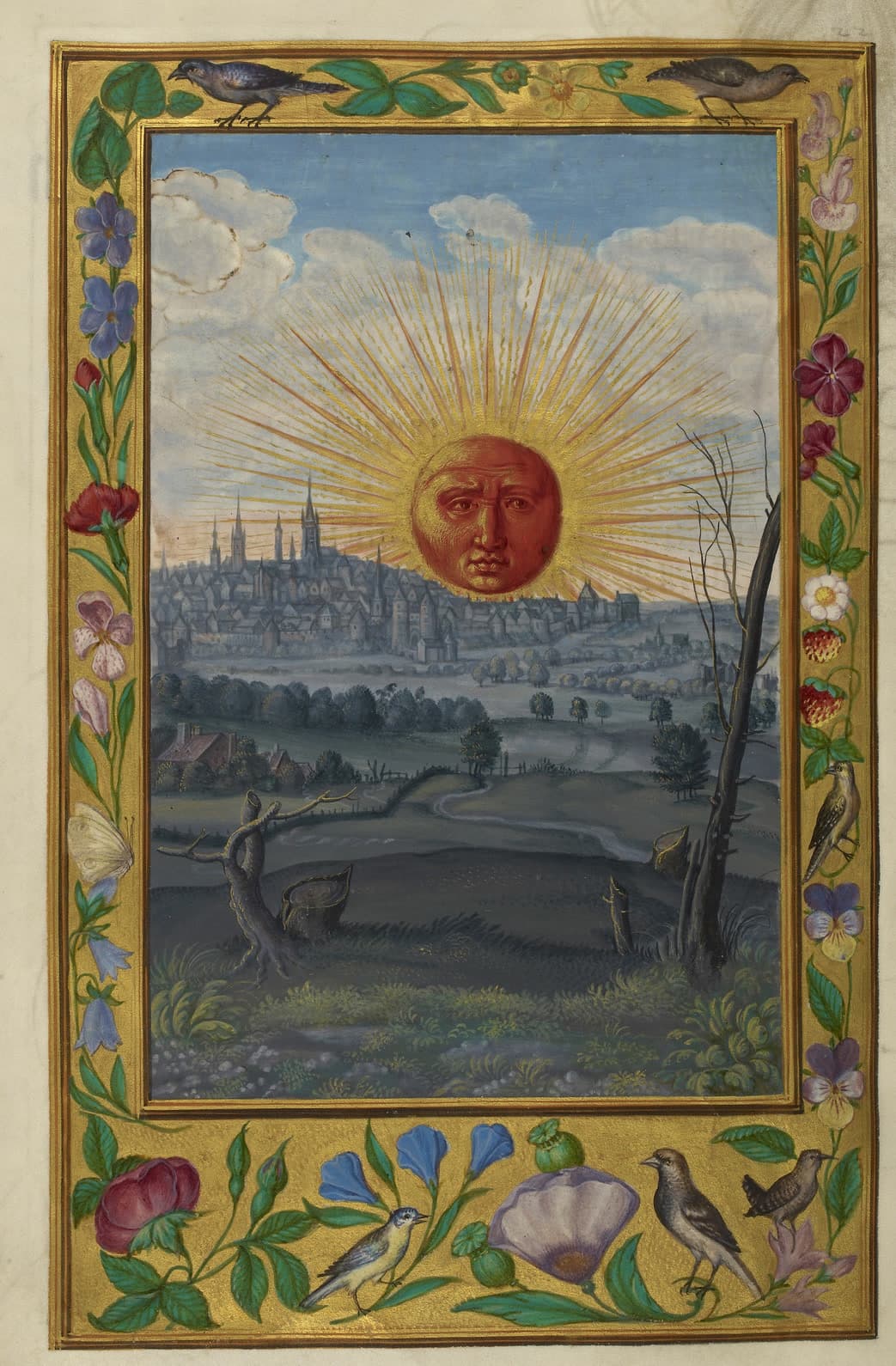
Splendor Solis is among the most lavishly illustrated alchemical manuscripts to survive the sixteenth century — a cycle of gold-ground miniatures built around the sun as both symbol and substance. Structured as parables and a run of planetary vessels, its images encode the classic stages of the Great Work: blackening, whitening, and the reddening said to yield the Stone.
Enter Splendor SolisIn situ
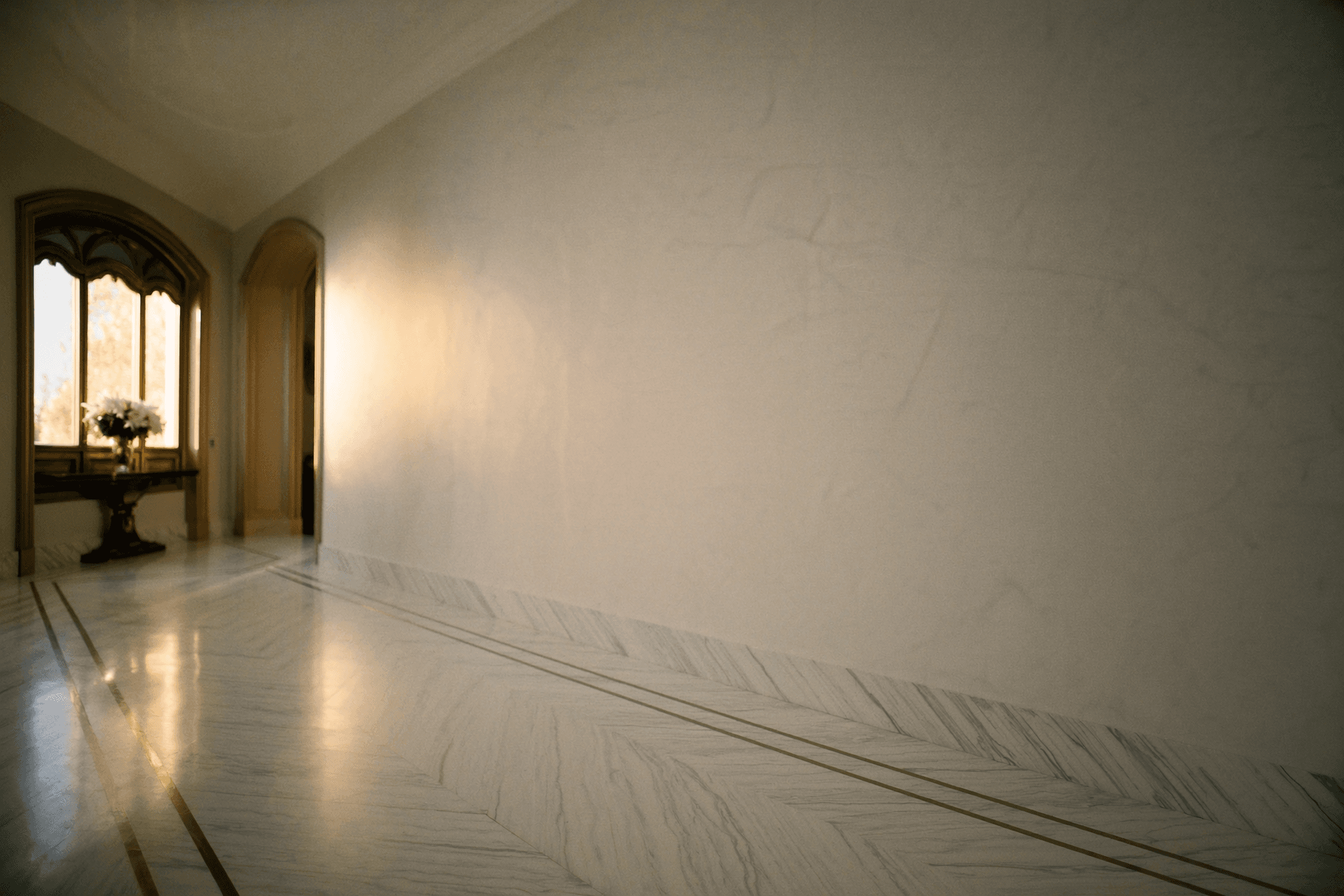
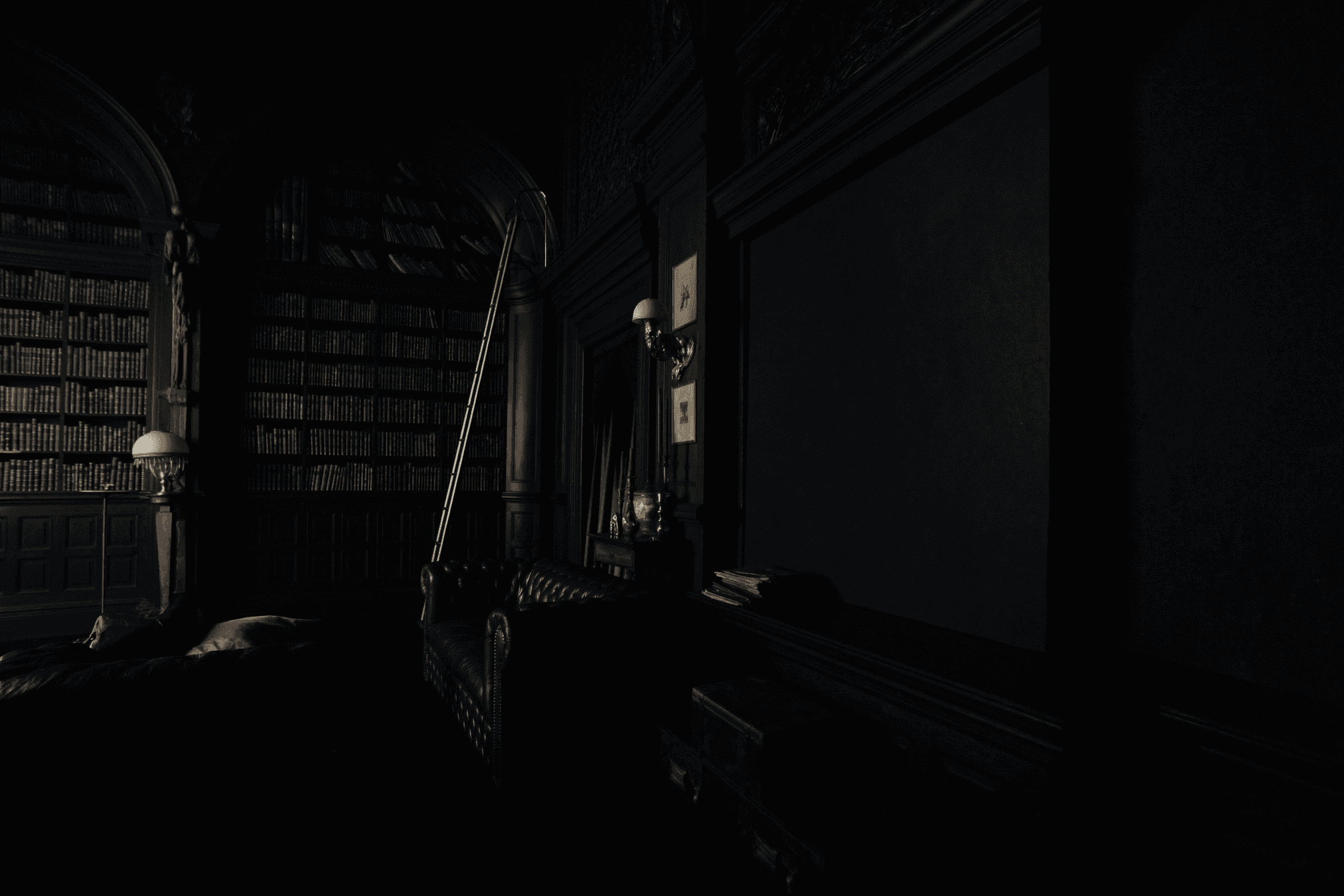
Here is what pieces from the collection actually look like — framed and hung in real, photographed rooms.
Why collectors trust us
35
Pieces across 4 collections, each cleared through a public-domain rights check before it ever reaches a listing — nothing goes up on a guess. Sourced from named institutions, not stock houses: the British Library, SLUB Dresden, the Wellcome Collection, the Beinecke Library at Yale, the Getty Research Institute, and the Science History Institute. Every print is archival pigment ink on cotton-rag stock, color-managed to the source scan.
A house of the Provenance family